13 March 2026
Freiheit finden wir doch alle dufte
Linke Buchhandlungen, die sich um einen vom Bundeskulturbeauftragten ausgelobten staatlichen Förderpreis bewerben. Die danach streben, vom deutschen Staat ausgezeichnet zu werden für ihre Verdienste um das Schöne, Wahre und Gute. Richtig linke Buchhandlungen, mind you, die Regale vollgepackt mit den Klassikern revolutionärer Theorie und Praxis, die verletzt und empört darüber sind, dass sie nicht für förderwürdig gehalten werden von der bundesdeutschen Exekutivgewalt. Ist das nicht regelrecht rührend? Was für ein Vertrauensbeweis in die liberale Demokratie ist das denn?
13 March 2026
Everyone Agrees That Freedom is Kind of Swell
Left-wing bookshops applying for an award handed out by the Federal Government Commissioner for Culture? Striving to be honoured by the German state for their service to the good, the true and the beautiful? Does the current Commissioner, Wolfram Weimer, now in hot water for his decision to strike those left-wing bookshops off the winners' list, even realise how amazing this is? Truly left-wing bookshops, mind you. Shelves crammed with the classics of revolutionary theory and practice. How much more disarmingly faithful in the virtues of liberal democracy can you be?
06 March 2026
“The Unwillingness to Call This Illegal Is a Terrible Mistake”
Five Questions to Oona A. Hathaway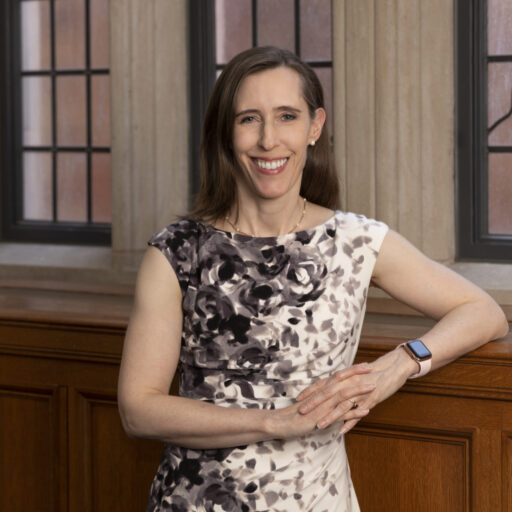

06 March 2026
„Die Weigerung, dies als Völkerrechtsbruch zu benennen, ist ein schwerer Fehler“
Fünf Fragen an Oona A. Hathaway
27 February 2026
“Muskism Proposes Something More Like Social War”
Elon Musk’s influence extends far beyond business – and it continues to grow. But to understand how powerful and how potentially dangerous for democracy Musk’s empire truly is, one has to examine the worldview that made his rise possible. In their new book, the historian Quinn Slobodian and the writer Ben Tarnoff trace the ascent of the self-styled “Technoking” and the idea of fusing human beings with machines. We spoke with them about Musk’s relationship with the state, “cyborg conservatism,” and whether anything can still counter the fusion of political and digital power.

27 February 2026
„Muskismus setzt eher auf sozialen Krieg“
Elon Musks Macht reicht weit über die Wirtschaft hinaus. Und sie nimmt zu. Um zu verstehen, wie gefährlich Musks Imperium für die Demokratie tatsächlich ist, muss man das dahinterstehende Weltverständnis in den Blick nehmen. In ihrem neuen Buch zeichnen der Historiker Quinn Slobodian und der Autor Ben Tarnoff den Aufstieg des selbsternannten „Technoking“ nach und analysieren seine Idee einer Verschmelzung von Mensch und Maschine. Wir haben mit ihnen über Musks Verhältnis zum Staat gesprochen, über „Cyborg-Konservativismus“ – und über die Frage, ob sich der Symbiose von politischer und digitaler Macht noch etwas entgegensetzen lässt.
20 February 2026
„Nur die Illusion von Schutz“
Australien hat als erstes Land im Dezember 2025 eine Altersgrenze für soziale Medien eingeführt. Diese Woche zeigte Bundeskanzler Friedrich Merz „viel Sympathie“ für die entsprechenden Vorschläge von SPD und CDU. Neben den detaillierten Regulierungsfragen, die hinter dem Verbot stehen – EU-Kompetenzen, App-Design, Durchsetzbarkeit – wirft die Debatte grundsätzliche verfassungsrechtliche Fragen auf: Wie verteilt das Grundgesetz Verantwortung zwischen Staat, Eltern und Kindern? Welche Rolle spielt Schutz – und wo beginnt Bevormundung?

20 February 2026
“Just the Illusion of Protection”
In December 2025, Australia became the first country to introduce a statutory age limit for social media. This week, German Chancellor Friedrich Merz indicated that he views similar proposals from the Social Democratic Party (SPD) and the Christian Democratic Union (CDU) with “considerable sympathy.” Beyond the detailed regulatory questions underlying such a ban – EU competences, app design, enforceability – the debate raises fundamental constitutional issues: How does the German Basic Law allocate responsibility between the state, parents, and children? What is the role of protection, and where does paternalism begin?
13 February 2026
Drawing Red Lines
Lately, there has been much talk of “red lines” in German politics. Take, for instance, the recent recommendations of the conservative think tank Republik21 on how to deal with the so-called “New Right”, according to which the “Brandmauer” policy of strict exclusion of the AfD should be replaced with differentiated red lines. CDU and CSU should in future determine their course on the basis of what is “constitutionally permissible” and what is “politically capable of commanding consent”. In other words: the question of what counts as a red line when forming majorities with the AfD, where it runs and what it separates from what, is, according to R21, something conservatives should answer by looking into the Basic Law – or into the mirror. Can that work?
13 February 2026
Rote Linien ziehen
Neuerdings ist viel von „roten Linien“ die Rede. So empfiehlt etwa die konservative Denkfabrik Republik21 der sogenannten bürgerlichen Politik, für den Umgang mit sogenannten neuen Rechten „rote Linien“ zu ziehen statt „Brandmauern“ zu bauen. Deren Verlauf sollten CDU und CSU künftig anhand des „verfassungsrechtlich Zulässigen“ sowie des „politisch Zustimmungsfähigen“ ermitteln. Mit anderen Worten: Die Frage, was beim Bilden von Mehrheiten mit der AfD als rote Linie gilt, wo sie verläuft und was sie wovon abgrenzt, sollen die Konservativen laut R21 durch einen Blick ins Grundgesetz bzw. in den Spiegel beantworten. Kann das funktionieren?
06 February 2026
Wenn Richter:innen schweigen
Neutralität ist das Gebot der Stunde, ob es um Regenbogenflaggen in den Büros von Bundestagsabgeordneten oder um Richterinnen mit Kopftuch. Dass Menschen sich einen neutralen Staat und insbesondere neutrale Richter:innen wünschen, ist an sich völlig nachvollziehbar und berechtigt. Das Neutralitätsgebot soll Parteilichkeit und Voreingenommenheit ausschließen und damit die Gleichbehandlung aller sicherstellen. Allerdings waren im Jahr 2025 nur noch gut die Hälfte der Befragten in Deutschland davon überzeugt, dass Gerichte alle Menschen gleich behandeln. Was läuft da also schief? Warum kann das Neutralitätsgebot seinem eigenen Anspruch nicht gerecht werden?